General Contractor in San Carlos: Trusted General Contracting Services
How to Choose the Right General Contractor for Your Home Renovation
Choosing the right general contractor for a residential renovation is a crucial decision. It involves thorough consideration of the work's scope, deadlines, and budget. Residents must assess potential builders based on their qualifications, background, and communication skills. The procedure can appear intimidating, but knowing the essential steps can simplify it. Which considerations should residents consider to secure a effective working relationship?
How to Clearly Define Your Renovation Project Scope
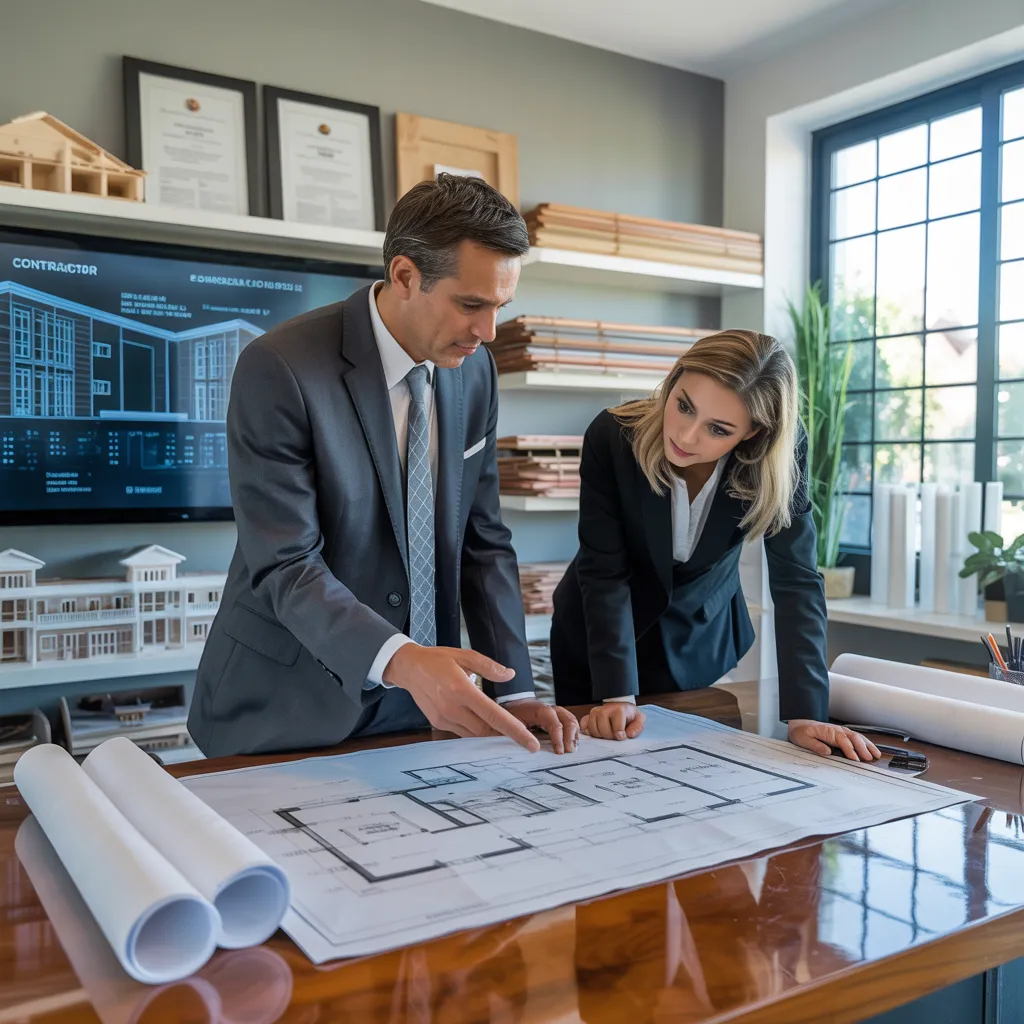
Clearly defining the scope of a remodeling project is critical for successful outcomes. This involves determining defined targets, timelines, and budget constraints. Property owners should commence by defining their goals, documenting each aspect of the renovation, from foundational modifications to cosmetic upgrades. Prioritizing elements helps in focusing on what is of greatest significance and can direct communications with interested professionals.
Furthermore, it is essential to consider relevant regulatory requirements, for example inspections or permits, which may have an effect on the overall project. Understanding these regulations helps maintain compliance and reduces the risk of delays. In addition, it is advisable for homeowners to develop a detailed breakdown of materials and finishes, as doing so can significantly affect the overall budget and project timeline.
Ultimately, effective communication is essential throughout the project. Creating a written agreement that details the established scope aids in managing expectations and acts as a reference point for all parties involved. By taking these steps, homeowners can establish a strong groundwork for a successful remodel.
Essential Qualifications for a Dependable General Contractor
When selecting a home renovation contractor for residential renovation, key qualifications are necessary for achieving a positive outcome. Essential elements include appropriate licensing and comprehensive insurance, proven experience with comparable projects, and excellent communication and cooperative skills. Assessing these qualities can greatly impact the overall renovation experience.
Insurance And Licensing Requirements
While numerous elements play a role in selecting the right general contractor, licensure and insurance prove to be critical qualifications that secure reliability and professional standards. A valid license demonstrates that the contractor has met local and state regulations, ensuring compliance with safety and building codes. This credential not only demonstrates expertise but also shields homeowners from possible legal complications.
Additionally, comprehensive insurance coverage, including liability insurance and worker's compensation, is vital. It safeguards homeowners against monetary loss resulting from injuries or damages during the renovation project. Uninsured contractors can put homeowners at risk of unanticipated costs. As a result, verifying both licensing and insurance is imperative in identifying a dependable contractor, offering security throughout the remodeling process.
Track Record In Similar Projects
A background in related projects is crucial for assessing a general contractor's fitness for a home renovation. Builders with a proven track record in specialized renovations, such as kitchens, bathrooms, or additions, showcase their ability to handle the complexities unique to these areas. This expertise provides them with valuable insights into design trends, materials, and likely obstacles that may occur during the project. Additionally, a contractor who has completed projects similar in scope and size can offer reliable timelines and budget estimates. Clients should request examples of past work and obtain references from previous clients. This ensures that the contractor not only possesses the necessary skills but also matches the homeowner's goals and expectations for the renovation.
Communication And Collaboration Skills
Strong communication and teamwork abilities are crucial when selecting a dependable general contractor for home renovation projects. A contractor's skill in expressing ideas effectively and understanding client requirements builds a productive working relationship. This mutual exchange of information ensures that everyone involved agrees on project objectives, schedules, and financial limits. Additionally, strong collaborative skills enable the contractor to work harmoniously with subcontractors, suppliers, and other stakeholders, which is vital for seamless project execution. By valuing open conversation and sustaining transparency, a contractor can tackle concerns efficiently, decreasing the probability of miscommunications or postponements. At the conclusion of the project, a contractor who demonstrates strength in these competencies is far more capable of producing a rewarding renovation that aligns with the homeowner's aspirations and standards.
Reviewing Contractor References: What You Should Know
How do homeowners make certain they are hiring the most suitable general contractor? Assessing contractor references is an essential part of this process. Homeowners should seek feedback from previous clients regarding the contractor's reliability, quality of work, and ability to meet deadlines. Favorable references frequently reflect a contractor's dedication to client satisfaction and high standards.
When contacting references, homeowners should ask about key elements of the renovation, such as budget compliance and communication methods. It is also helpful to ask if the clients faced any challenges during the renovation and how the contractor handled those issues.
Homeowners should pay attention to recurring themes in the feedback. Repeated praise or criticism can uncover a contractor's strengths or weaknesses. In the end, a comprehensive review of references can offer meaningful insights, assisting homeowners in making a knowledgeable choice and confirming their renovation project is entrusted to skilled contractors.
Essential Questions to Ask During Your Contractor Interview
What important questions should homeowners raise during a contractor interview? First, it is critical to ask about the contractor's experience and specialization. Homeowners should ask about past projects that are comparable in scale and style to their remodeling work. Furthermore, verifying the contractor's licensing and insurance is important to ensure adherence to local requirements.
A further important question concerns the project timeline. Homeowners ought to confirm expected start and completion dates and any foreseeable delays. Addressing the payment structure is equally important; understanding the breakdown of costs and payment schedule helps avoid future disputes.
Homeowners ought to ask about the crew working on the project, including any subcontractors hired, and their credentials. It is also worthwhile to question how the contractor manages modifications or unanticipated problems that may come up during the work. Lastly, discussing methods of communication and how often updates are provided can help set clear expectations for updates and progress reports throughout the renovation.
Comparing Contractor Estimates: What You Need to Know
When reviewing contractor estimates, homeowners often wonder about the main factors that separate one bid from another. The price point is an important element, but it should not be the only deciding factor. Homeowners should examine the breakdown of work described in each estimate, confirming that every essential task is accounted for. Additionally, the quality of the proposed materials can significantly affect the overall project outcome and longevity.
Another important aspect involves the timeline; understanding how long each contractor anticipates the project will take can reveal their level of experience and reliability. Property owners should additionally evaluate complete article the contractor's standing, seeking out feedback or references that shed light on previous work. Finally, communication styles and responsiveness during the bidding process can indicate how well the contractor will collaborate throughout the renovation. By methodically weighing these considerations, homeowners can arrive at educated choices that support their renovation vision.
Why Effective Communication Is Key to a Successful Renovation Partnership
Clear communication acts as the foundation of any productive renovation collaboration. Open discussion between homeowners and general contractors defines expectations, timelines, and budgets, preventing misunderstandings that could disrupt projects. When each party express their visions and concerns, it fosters mutual respect and cooperation.
Frequent updates and transparent lines of communication enable prompt problem-solving. Homeowners should feel comfortable voicing questions or changes, while contractors are required to offer honest feedback and thorough progress updates. This communication not only improves project efficiency but also aids in addressing potential conflicts before they intensify.
Additionally, open communication assures that each stakeholder stays informed about design choices and material selections, minimizing the likelihood of expensive errors. By focusing on productive dialogue, both homeowners and contractors can navigate challenges together, creating a more streamlined renovation experience that satisfies the anticipated objectives. Fundamentally, a fruitful partnership is built upon the commitment to communicate clearly and effectively from start to finish.
Questions We Often Receive
How Long Will My Renovation Project Take to Complete?
The timeframe of a renovation endeavor is influenced by scope, complexity, and the efficiency of the contractor. Generally, smaller projects can be completed within weeks, while more extensive renovations may span several months, requiring careful planning and coordination for timely completion.
What Steps Should I Take if I'm Not Satisfied With the Work?
If dissatisfaction arises, the client should communicate concerns directly with the contractor, supplying detailed instances. Recording problems and pursuing resolution through dialogue or mediation can result in improvements or modifications, encouraging a positive resolution for everyone concerned.
Are There Any Concealed Charges I Need to Be Aware Of?
Additional costs can result from unplanned repairs, rising material costs, permit fees, or shifts in project scope. It is important for homeowners to talk through possible extra charges with their contractor in advance to steer clear of unwelcome financial surprises.
How Do I Handle Permits and Inspections?
To navigate the permit and inspection process, homeowners should review local building codes and regulations, acquire all essential permits ahead of starting the project, and schedule inspections at appropriate project stages. Maintaining open communication with your contractors helps secure regulatory compliance and steady progress across all phases of the remodeling process.
Can I Stay in My Home During the Renovation?
Yes, homeowners can often remain in their residences during renovations, although this is subject to the scale and complexity of the work involved. Factors such as noise, dust, and safety should be taken into account. Discussing the details with your contractor will assist in identifying the most suitable plan for your specific circumstances.